From the very beginning, before I even step foot into the school where the inquiry takes place, I am already listening.
I get into my car and begin the drive toward the research site.
The engine sputters before settling into its familiar rhythm. I leave the windows down as the first morning of the inquiry is cool. Driving from my residential neighbourhood through downtown, I notice how the city sounds begin to shift. Roads enclosed by concrete walls bounce the constant hum of traffic back toward itself, producing an acoustic landscape that seems to signal movement, efficiency, and progress. As I cross the threshold from my city into the neighbouring exurban community where the project takes place, those sounds begin to dissipate. The reverberations of multilane roads dissolve into expansive agricultural fields. On the single-lane road ahead, the only passing cars are the occasional vehicles travelling back toward the city I have just left.
In the distance I hear what might be a crop duster or perhaps an airplane descending toward the regional airport. I cannot be certain. My attention remains divided between listening and navigating unfamiliar roads, as summer construction repeatedly redirects my route. I remember one of the first jokes I heard after immigrating to Canada: there are only two seasons—winter and construction. The joke returns as orange pylons and temporary signs reshape yet another familiar road.

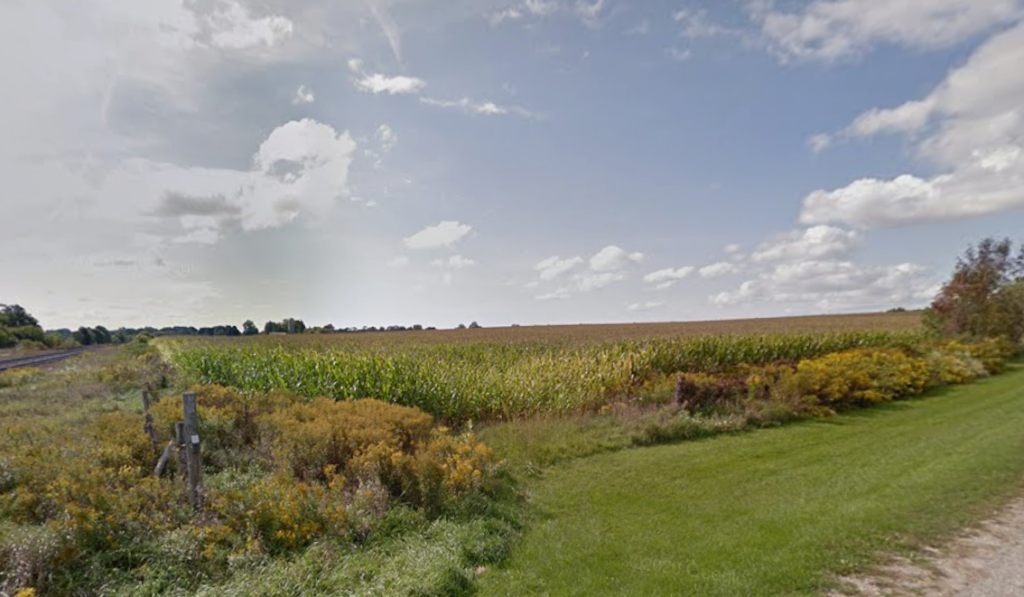
The road runs alongside the river that winds through southwestern Ontario, within the territories of the Dish With One Spoon Treaty. The landscape I travel through bears the ongoing marks of industrial expansion, where warehouses continue to spread across agricultural lands that were once forested. New proposals for data centres in neighbouring cities promise another wave of infrastructural development. These developments draw heavily upon land, water, and energy while concentrating their benefits elsewhere. Even before the emergence of artificial intelligence intensified demands for data infrastructure, the treaty’s commitment to living well together had already been fractured through colonial dispossession and uneven resource extraction. The sounds of construction reminde me of these inheritences.
Stopped at a red light, another sound emerges. The rhythmic beeping of Accessible Pedestrian Signals along pedestrian crossing counts down the remaining time before the lights change. The signal offers temporal information for pedestrians who are blind or have low vision, communicating through sound when it is safe to cross. Here, sound becomes infrastructure, coordinating movement while making accessibility possible.
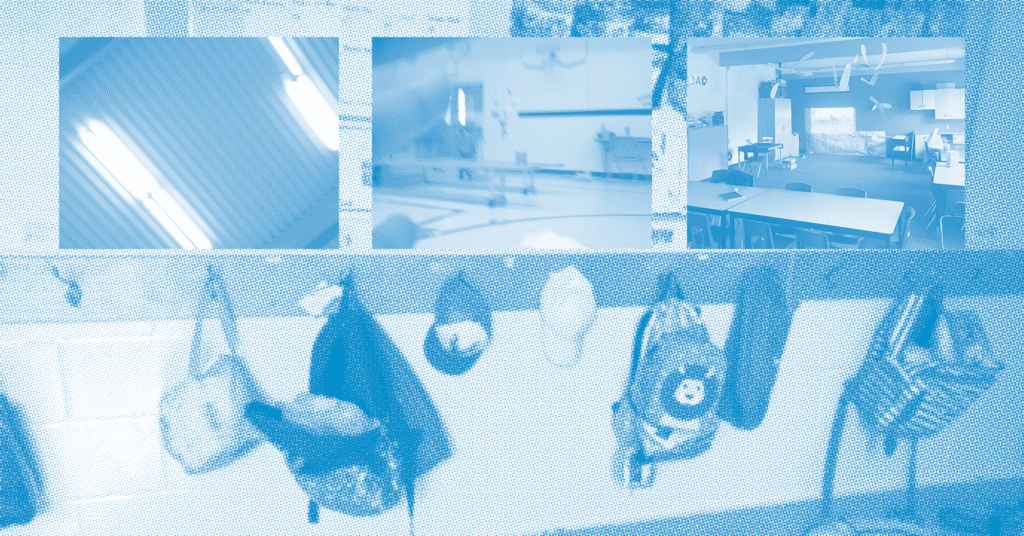
When I finally arrive at the school, I park beside a municipal building under construction. Heavy machinery idles as engines warm into low mechanical roars. Inside the school, however, it is remarkably quiet. It is still early morning, and children will not begin arriving for another hour. Music echoes through the gymnasium, bouncing off hard walls with little regard for acoustics. Beyond the gym, the hallway falls suddenly silent. The contrast feels intentional. The gym’s exuberance is acoustically contained so that its sounds do not spill into classrooms where concentration and quiet are expected.
Even before children enter the building, the school is already organizing sound and determining which sounds belong where, which sounds may travel, and which sounds must be contained.