
Gathered around a weathered wooden park bench,
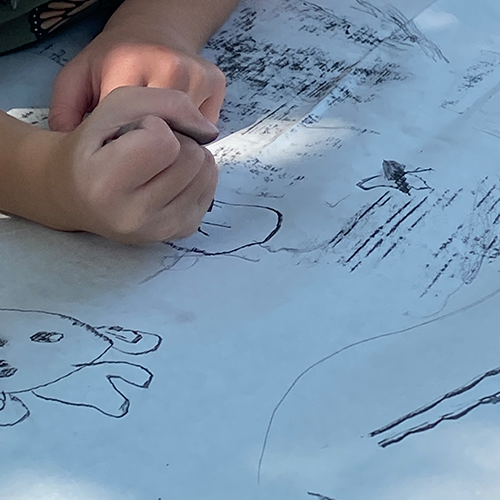
a long sheet of paper spreads between us,
its surface already marked with graphite traces.
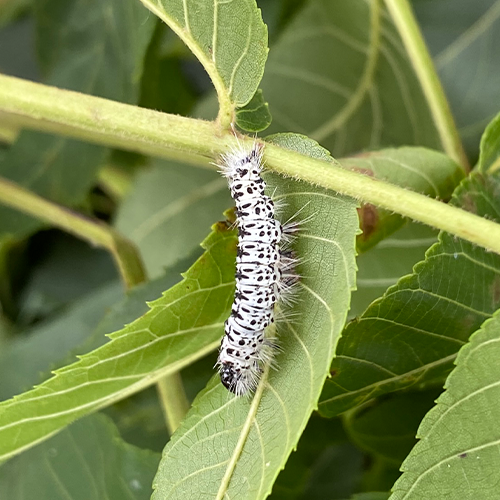
Miya, Tania, Sanaa, and Alyson lean close, describing a moth.
“It has big wings,” one says—“big, white-colored wings.”
“A kind of fat body,” another adds.
“A medium fat body,” she qualifies.
“Like an oval,” a third offers.
Lindsay, their teacher, watches from the side,
her pencil hovering. Another child studies the drawing, objecting gently:
“It’s probably actually smaller than that. But…”
for now the drawing seems satisfactory.”
“They also have teeny-weeny legs,” someone giggles.
“How many?” Lindsay asks.
“Probably just like seven or ei—”
Her voice trails off, cut through by another calling from under the picnic bench.
“Miya!!!”
“What?”
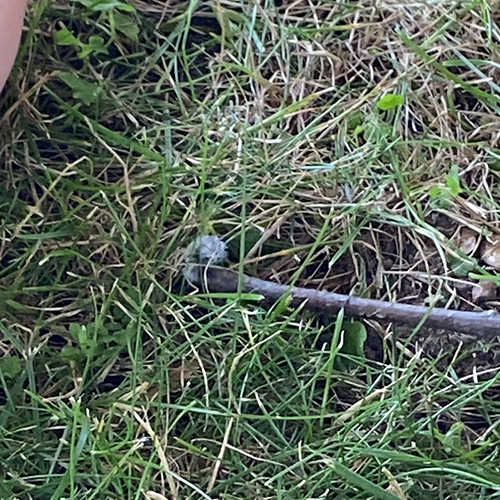
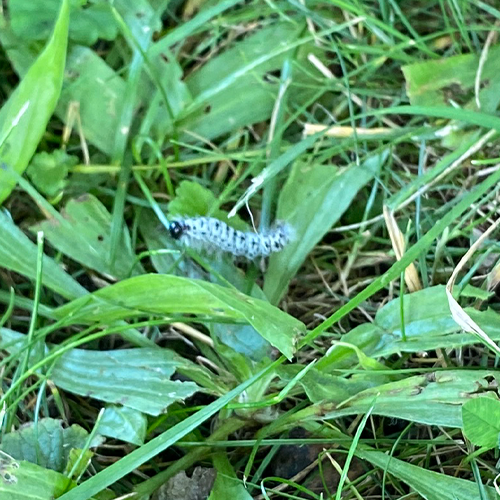
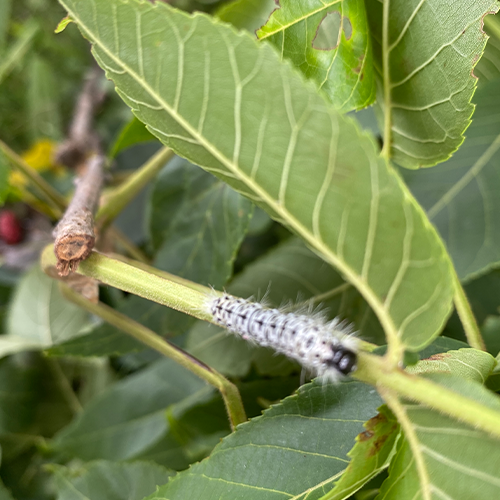
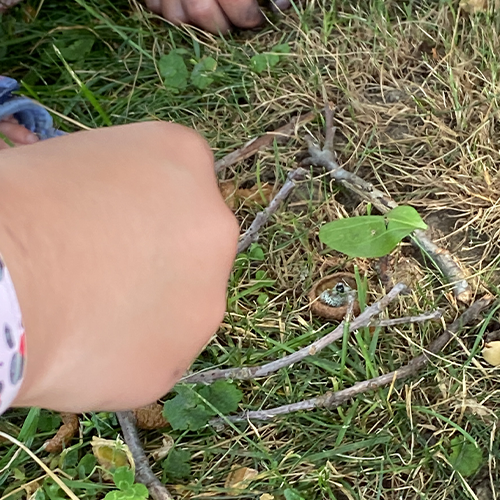
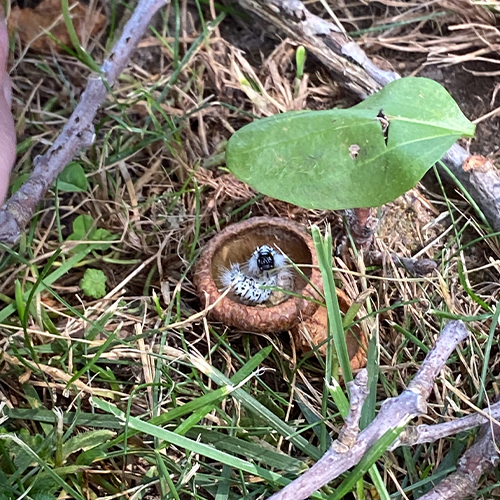
“Miya, I think I can see a caterpillar!”
“Caterpillar? Where? Where—where? Wait, where?”
“Ohhhh…”

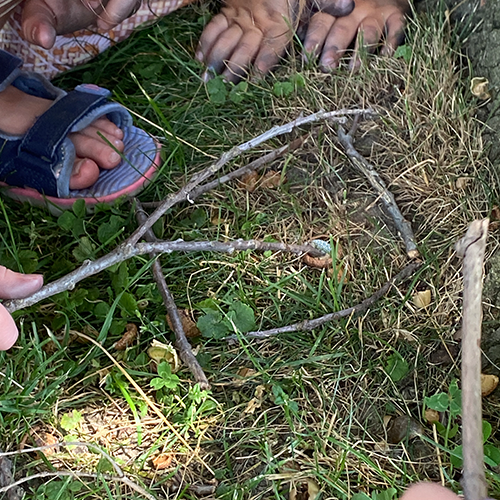
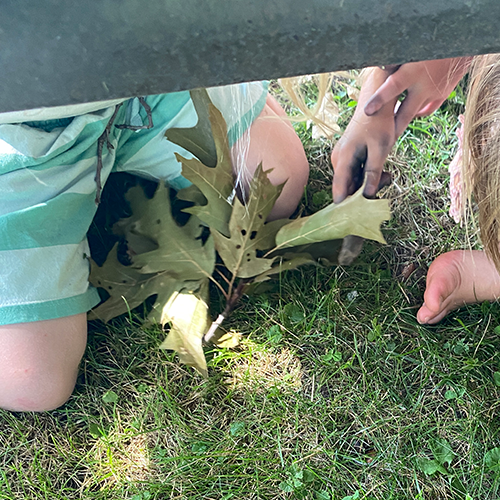
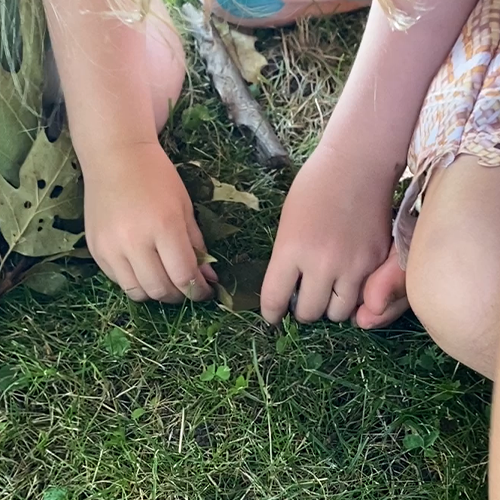
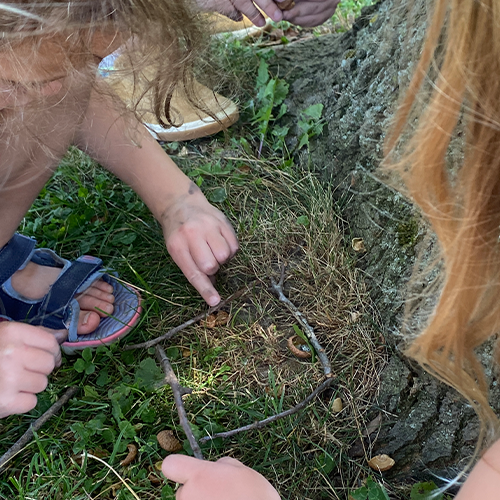
The air under the bench trembles, then draws the children in—a quick inhale of movement. Graphite sticks tumble, tracing gravity in their fall. The children slip from the bench to the grass, the surface rippling gently, as though gravity itself were pleating them closer to the earth.
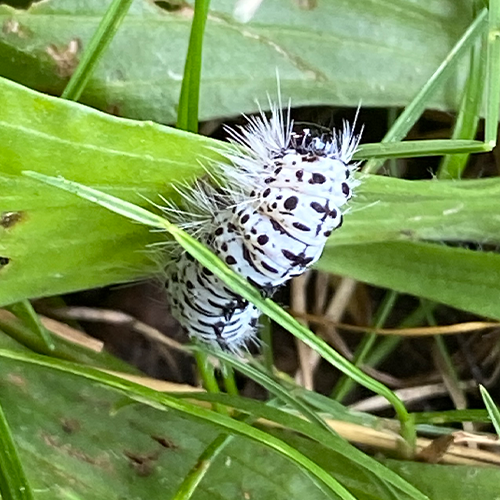
“It’s a poisonous one!”
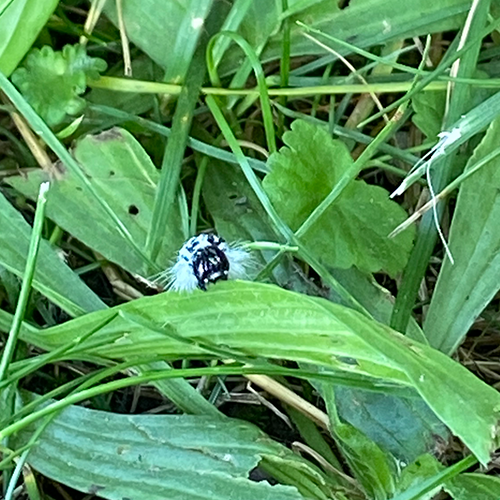
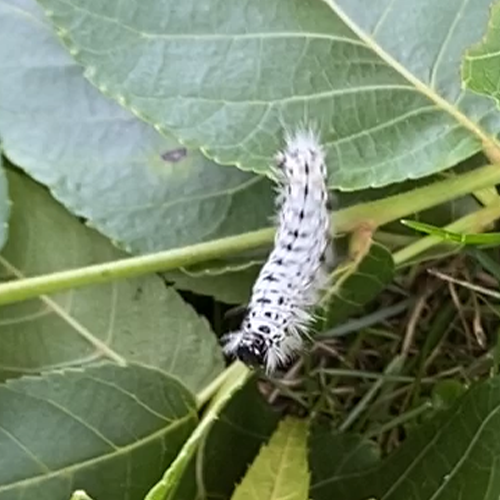
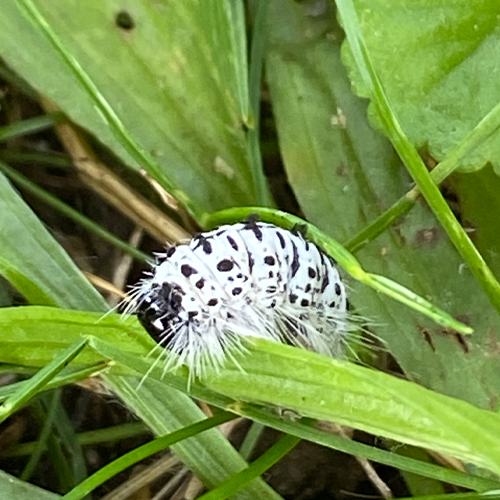
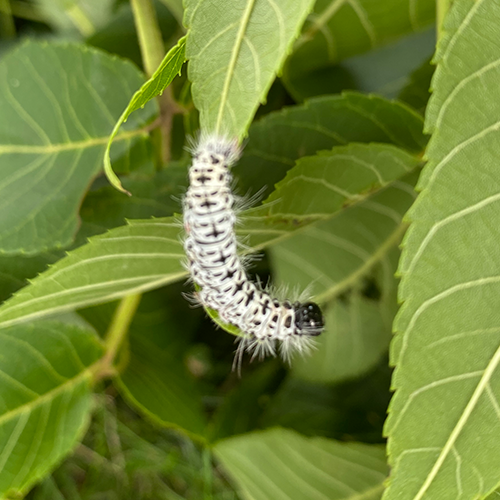
One of them notices, pointing to the white,
fuzzy body tucked beneath the table.
“It is cute!”
“Leave it alone! Guys, guys,
leave it alone—he is sleeping.”
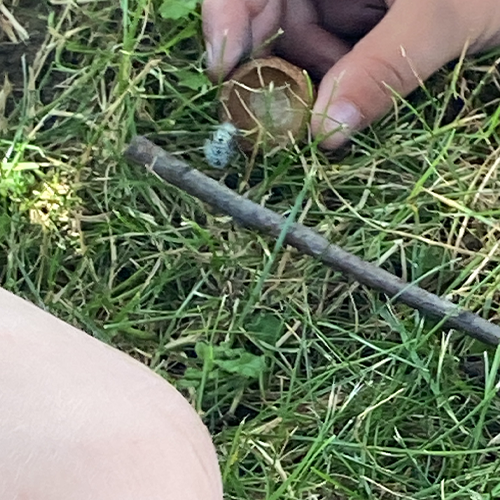
Another child observes that it isn’t moving.
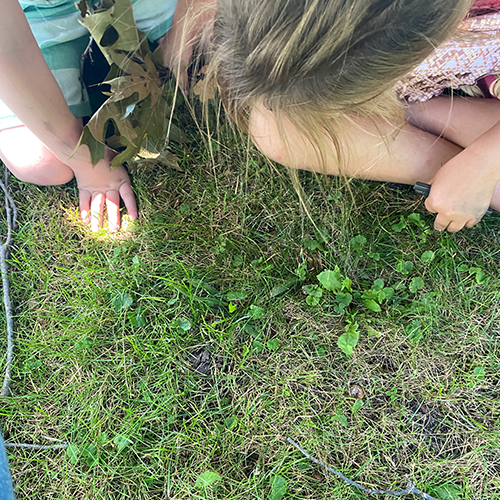
Sanaa, still at the paper, hesitates, then joins the cluster under the bench.
The others remind her not to touch—it’s poisonous.
Promising not to, she crouches close.
“What’s poison?” she asks.
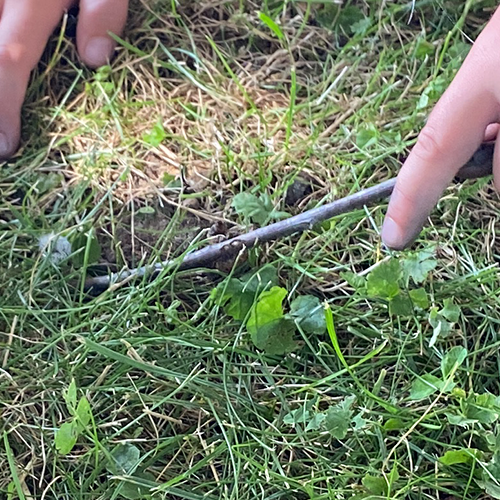
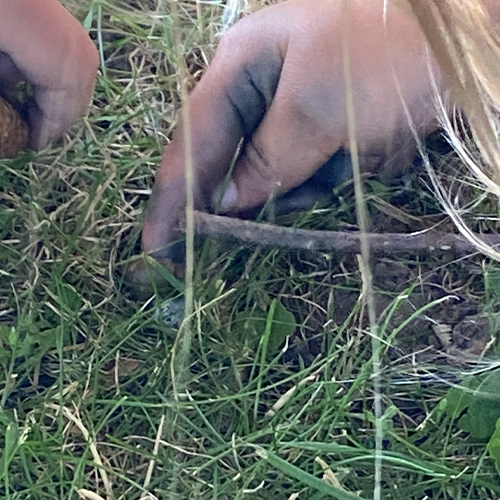
A finger points. “This.”
Like notes in a field journal,
the caterpillar, the pointing finger and the word itself
align.
Poison and caterpillar become synonyms in gesture and voice.